
If you are planning to enter the tech industry in 2026, one skill clearly stands out: full stack web development. In today’s competitive market, companies are no longer looking for developers who only specialize in one area. Instead, they prefer professionals who can manage both front-end and back-end development and build complete, fully functional applications.
That is exactly what a full stack web development course prepares you for.
In this detailed guide, you will explore everything about this career path, including the key skills you need, how the industry works, and practical ways to start earning after completing your learning journey.
Whether you are a beginner, student, freelancer, or someone planning a career switch, this guide will provide you with a clear and actionable roadmap to get started with confidence.
Why Full Stack Web Development is So Important in 2026
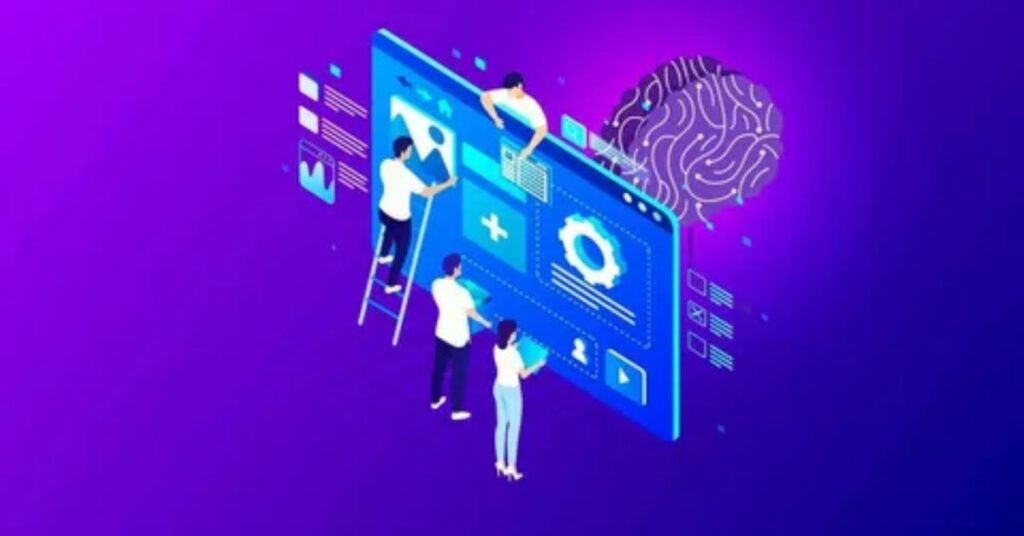
Technology is evolving rapidly, and businesses are moving online faster than ever before. Modern websites are no longer simple static pages—they have transformed into powerful web applications with dashboards, APIs, databases, and dynamic features.
That is why many companies prefer hiring full stack developers instead of maintaining separate front-end and back-end teams, especially for small to medium-sized projects where efficiency and flexibility matter.
A full stack web development course allows you to master both sides of development, giving you a complete understanding of how web applications are built and managed:
- Frontend development (what users see and interact with)
- Backend development (how the system works behind the scenes)
- Database management for storing and handling data
- Deployment and hosting to make applications live
This powerful combination makes you highly valuable in today’s job market and opens multiple career opportunities.
What is a Full Stack Web Development Course?
A full stack web development course is a comprehensive training program that equips you with the skills to design, develop, and deploy complete web applications from scratch.
It covers:
Frontend Development
- HTML5
- CSS3
- JavaScript
- Responsive design
- UI frameworks like Bootstrap or Tailwind CSS
Backend Development
- Node.js or PHP
- REST APIs
- Authentication systems
- Server-side logic
Databases
- MySQL
- MongoDB
- Data structuring
Tools & Deployment
- Git & GitHub
- Hosting platforms
- Domain setup
- Project deployment
By the end of a full stack web development course, you should be able to build and deploy complete real-world projects.
Why You Should Learn Full Stack Development
There are several strong reasons why full stack development has become one of the most in-demand skills in the tech industry today.
High Demand in the Industry
Almost every business now requires a website or web application to operate and grow, which creates continuous demand for skilled developers.
Freelancing Opportunities
Platforms like Fiverr and Upwork offer countless projects for full stack developers, allowing you to earn independently and build a global client base.
Remote Job Flexibility
Full stack development enables you to work remotely for international companies, giving you location freedom and better work-life balance.
High Salary Potential
Experienced developers are highly valued and often earn significantly higher salaries compared to many other IT roles.
Who Should Join a Full Stack Web Development Course?
This course is designed for a wide range of learners who want to build a strong career in the tech industry:
- Beginners with no prior technical background
- Students exploring new career opportunities
- Freelancers looking to upgrade their skills and income potential
- Job seekers aiming to enter the IT industry
- Designers who want to transition into development
Even if you are starting from zero, a well-structured full stack web development course can guide you step by step and help you reach an advanced level with confidence.
Step-by-Step Roadmap to Becoming a Full Stack Developer
Here is a simple learning path:
Step 1: Learn Frontend Basics
Start with HTML, CSS, and JavaScript.
Step 2: Build Small Projects
Create:
- Portfolio website
- Landing pages
- Simple calculators
Step 3: Learn Backend Development
Choose Node.js or PHP and learn server-side programming.
Step 4: Learn Databases
Understand how data is stored and managed.
Step 5: Build Full Projects
Examples:
- E-commerce website
- Blog system
- Admin dashboard
Step 6: Deploy Projects
Host your websites online and make them live.
A structured full stack web development course usually follows this exact roadmap to become a full stack developer.
Skills You Will Gain
After completing your training, you will gain a strong and well-rounded skill set that prepares you for real-world development:
- Frontend development skills to create user-friendly interfaces
- Backend programming knowledge to handle application logic
- Database management ability to store and manage data efficiently
- API integration skills to connect different systems and services
- Strong problem-solving mindset for handling real challenges
- Hands-on experience in building real-world projects
These skills are more than enough to help you start freelancing or confidently apply for professional job opportunities in the tech industry.
Career Opportunities After a Full Stack Web Development Course
Once you complete your learning journey, you can apply for multiple roles:
Job Roles:
- Full Stack Developer
- Frontend Developer
- Backend Developer
- Web Application Developer
Freelancing Roles:
- Website development projects
- Bug fixing
- UI/UX implementation
- WordPress customization
Remote Work:
International companies hire skilled developers remotely for long-term projects.
Comparison: Full Stack vs Other Web Development Paths
| Path | Skills Covered | Job Demand | Earning Potential |
| Frontend Only | UI/Design | Medium | Medium |
| Backend Only | Server-side | Medium | Medium |
| Full Stack | Both Frontend + Backend | High | High |
This is why a full stack web development course is considered the most powerful option.
Common Mistakes Beginners Make
Avoid these common mistakes if you want to succeed in full stack development:
- Relying only on tutorials without hands-on practice
- Not building real-world projects to apply your skills
- Skipping core fundamentals that build a strong foundation
- Losing consistency or giving up too early
- Not using platforms like GitHub to showcase your work
Remember, real success in development comes from consistent practice and real experience—not just theoretical learning.
Tips to Succeed Faster

Here are practical tips:
- Practice daily coding
- Build at least 5–10 projects
- Upload projects on GitHub
- Join developer communities
- Start freelancing early
A well-structured full stack web development course will guide you through all these steps.
Real-Life Example
Many beginners start with zero knowledge, and within 6–12 months, they begin earning through freelancing.
For example:
A student learns full stack development, builds a few websites, and then starts taking client projects like business websites or online stores.
This is the real power of this skill.
Future of Full Stack Development
The future of full stack development is incredibly promising. In 2026 and beyond, technology will continue to evolve, creating even more opportunities for skilled developers.
- AI tools will support developers and improve productivity
- The demand for modern web applications will continue to grow
- Remote work opportunities will expand globally
- Freelancing will become more competitive and rewarding
A full stack web development course is not just a skill—it is a long-term career investment that can open doors to endless growth and opportunities.
Conclusion
Full stack development is one of the most powerful skills in the modern digital world. It allows you to build complete websites, work with global clients, and earn through freelancing or remote jobs.
If you are serious about your future in tech, starting a full stack web development course can be your first and most important step toward a successful career.
Stay consistent, keep practicing, and focus on building real projects—success will follow.
FAQs
What is a full stack development course?
It is a complete training program that teaches you how to build both the frontend and backend of websites and web applications.
Who can learn it?
Anyone, including beginners, students, and freelancers, can learn it, even without prior coding experience.
How long does it take to complete?
It usually takes 3 to 6 months, depending on practice and course structure.
What skills are included in this training?
You will learn frontend, backend, databases, APIs, and deployment skills.
Can I start freelancing after completing a full stack web development course?
Yes, after completing a full stack web development course, you can start freelancing by building websites and web applications for clients.