
Are you earning what you deserve? That’s the question millions of workers ask every year — and the answer starts with understanding national average salary data.
In 2026, wages have shifted across nearly every industry. Inflation, remote work, AI adoption, and workforce changes have all played a role. Whether you’re negotiating a raise, switching careers, or simply curious about where you stand, knowing the national average salary data gives you real power.
This article breaks it all down — by sector, job type, experience level, and more. Let’s get into the numbers.
What Is National Average Salary Data and Why Does It Matter?
National average salary data refers to the median or mean income earned by workers across a country in a given year. It’s calculated by government agencies, research institutions, and HR bodies using large workforce surveys.
This data matters for several key reasons:
- Workers use it to benchmark their pay and negotiate confidently
- Employers use it to set competitive compensation packages
- Economists use it to track living standards and income inequality
- Students and job seekers use it to pick the most rewarding career paths
In short, national average salary data is one of the most useful tools in any professional’s toolkit — and in 2026, the numbers tell a fascinating story.
How National Average Salary Data Is Calculated
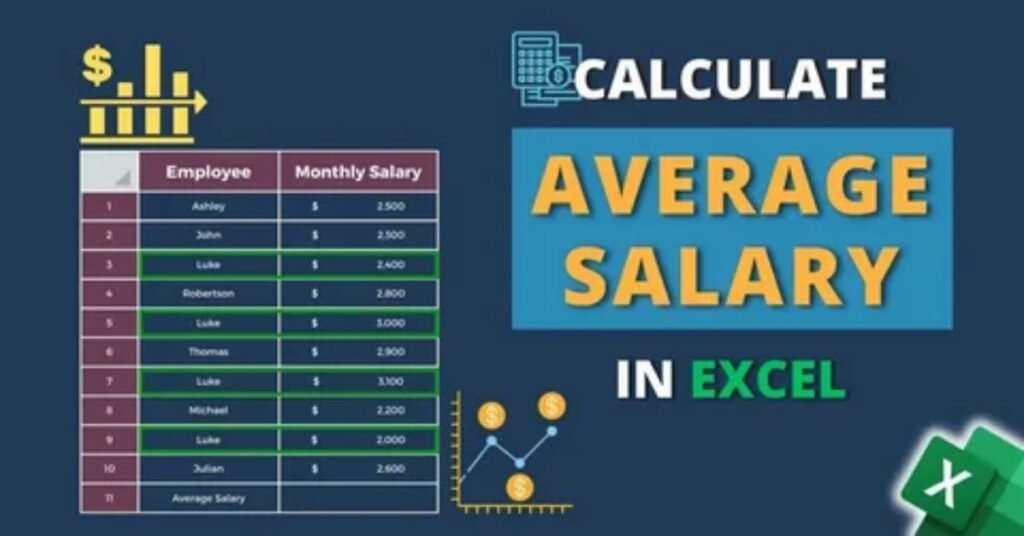
Before diving into the numbers, it helps to understand how this data is put together.
Most national salary surveys use two main measures:
Mean Salary
This is the total of all salaries divided by the number of workers. It can be pulled upward by very high earners at the top.
Median Salary
This is the midpoint — half of workers earn more, half earn less. It’s generally a more accurate reflection of what a typical worker actually takes home.
When reading national average salary data, always check whether the figure is a mean or a median. The difference can be tens of thousands of dollars.
National Average Salary in 2026: The Big Picture
According to the latest available workforce reports and projections for 2026, the national average salary in the United States sits at approximately $63,000–$68,000 per year (median). For full-time workers, this translates to roughly $30–$33 per hour.
However, this single number doesn’t tell the whole story. Income varies enormously based on:
- Industry or sector
- Geographic location
- Education level
- Years of experience
- Job function and specialization
That’s why breaking down national average salary data by category is so important. A broad average can hide major gaps — both opportunities and warnings.
National Average Salary Data by Sector (2026)
Here is a comprehensive look at average annual salaries across major sectors in 2026:
| Sector | Average Annual Salary (USD) | Year-over-Year Growth |
| Technology & IT | $115,000 – $160,000 | +8.5% |
| Finance & Banking | $90,000 – $135,000 | +6.2% |
| Healthcare | $75,000 – $125,000 | +7.1% |
| Legal Services | $85,000 – $145,000 | +5.8% |
| Engineering | $80,000 – $130,000 | +6.5% |
| Education | $45,000 – $72,000 | +3.2% |
| Retail & E-Commerce | $38,000 – $65,000 | +4.0% |
| Hospitality & Tourism | $32,000 – $55,000 | +3.8% |
| Construction | $55,000 – $95,000 | +5.5% |
| Manufacturing | $50,000 – $85,000 | +4.7% |
| Marketing & Advertising | $60,000 – $100,000 | +6.0% |
| Government & Public Sector | $55,000 – $90,000 | +2.9% |
Figures are estimates based on 2026 labor market projections and industry reports. Salaries vary by location, company size, and experience.
The national average salary data clearly shows that technology and finance continue to lead the pack, while education and hospitality still lag behind despite recent improvements.
Income Breakdown by Experience Level
One of the most useful aspects of national average salary data is how it shows the income gap across career stages.
Entry-Level (0–2 Years Experience)
- Average salary: $38,000 – $52,000/year
- Common roles: Junior developer, marketing assistant, sales associate, admin coordinator
- Growth tip: Certifications and fast skill-building can push you out of this range quickly
Mid-Level (3–7 Years Experience)
- Average salary: $60,000 – $90,000/year
- Common roles: Project manager, senior analyst, team lead, account manager
- This is where most professionals spend the longest part of their career
Senior-Level (8–15 Years Experience)
- Average salary: $95,000 – $140,000/year
- Common roles: Department head, principal engineer, senior financial advisor
- Specialization at this stage dramatically increases earning potential
Executive Level (15+ Years)
- Average salary: $150,000 – $500,000+/year
- Common roles: CEO, CFO, CTO, VP of Operations
- Bonuses, stock options, and profit-sharing add significantly to base pay
The national average salary data shows that experience remains one of the strongest predictors of income — but it’s not the only one. Skills, industry, and location can close or widen this gap significantly.
How Location Affects National Average Salary Data

Geography plays a massive role in what workers actually take home. Even within the same country, salaries can differ by 30–50% depending on where you live and work.
For a regional perspective, you can explore the average salary in Pakistan to see how South Asian income trends compare with global salary benchmarks.
High-Salary Cities (USA)
- San Francisco, CA – Average: $98,000+
- New York, NY – Average: $91,000+
- Seattle, WA – Average: $87,000+
- Boston, MA – Average: $84,000+
Mid-Tier Cities
- Austin, TX – Average: $72,000
- Denver, CO – Average: $69,000
- Chicago, IL – Average: $71,000
Lower Cost-of-Living Cities
- Memphis, TN – Average: $52,000
- El Paso, TX – Average: $48,000
- Birmingham, AL – Average: $50,000
However, with remote work now mainstream, many professionals earn big-city salaries while living in lower-cost-of-living areas. This is one of the most significant shifts reflected in recent national average salary data.
Education’s Role in Shaping Salary Averages
Your education level still plays a meaningful role in your income, though the gap is narrowing in some fields.
Here’s what the data shows for 2026:
- High school diploma only: $35,000 – $45,000/year average
- Associate degree: $42,000 – $58,000/year average
- Bachelor’s degree: $62,000 – $85,000/year average
- Master’s degree: $80,000 – $115,000/year average
- Doctoral or professional degree: $100,000 – $200,000+/year average
That said, in tech, skilled trades, and entrepreneurship, people without degrees regularly out-earn those with them. National average salary data increasingly reflects a skills-first economy — especially in 2026.
The Gender Pay Gap: What the Data Still Shows
Despite years of advocacy and policy changes, the gender pay gap remains a persistent feature of national average salary data.
In 2026:
- Women earn approximately 82–85 cents for every dollar earned by men in the US
- The gap is narrowest in fields like healthcare, education, and government
- It is widest in finance, real estate, and senior executive roles
Progress is happening — but slowly. Many companies now publish pay equity reports as part of transparency efforts, and several states have enacted laws requiring salary ranges in job postings.
Understanding this part of the national average salary data is important for advocating fair pay in any workplace.
Top 10 Highest-Paying Jobs in 2026
Looking at national average salary data by job role gives job seekers a powerful roadmap. Here are the top earners in 2026:
- Neurosurgeon – $400,000+
- Anesthesiologist – $350,000+
- Orthodontist – $290,000+
- Chief Executive Officer (CEO) – $250,000+
- Petroleum Engineer – $175,000+
- Data Scientist (Senior) – $165,000+
- Software Architect – $160,000+
- Investment Banker – $155,000+
- Cybersecurity Director – $150,000+
- Pharmacist – $130,000+
These roles reflect a clear pattern: specialized knowledge + high responsibility = high income.
Emerging Roles Reshaping Salary Averages in 2026
AI and digital transformation have created brand-new job categories that simply didn’t exist five years ago. These roles are already pushing national average salary data upward in the tech sector.
Notable emerging high-paying roles:
- AI Prompt Engineer – $95,000 – $130,000
- Machine Learning Operations (MLOps) Engineer – $130,000 – $160,000
- Blockchain Developer – $110,000 – $150,000
- Climate Tech Analyst – $85,000 – $115,000
- Remote Work Experience Designer – $80,000 – $110,000
These are not just trend jobs. They reflect real market demand — and companies are paying premium salaries to attract the right talent.
How to Use National Average Salary Data to Your Advantage
Knowing the numbers is only half the battle. Here’s how to actually use national average salary data to improve your income:
1. Benchmark Before You Negotiate
Before your next salary review, look up the average for your role in your city and industry. Walk in knowing your worth — not guessing it.
2. Identify High-Growth Sectors
If your current industry is stagnant, national average salary data helps you spot where to pivot. Tech, healthcare, and finance consistently outperform.
3. Quantify Your Value
Averages are based on typical workers. If you’ve delivered measurable results — revenue growth, cost savings, project wins — you’re not average. Price yourself accordingly.
4. Factor in Total Compensation
Salary is just one part of the package. Stock options, bonuses, health benefits, and remote work flexibility can add 20–40% to your real compensation.
5. Keep Learning
The highest earners in every sector are the ones who continuously upgrade their skills. The best investment you can make in your salary is time spent learning.
Conclusion
Numbers don’t lie — and the national average salary data for 2026 tells a clear story. The job market is rewarding specialization, continuous learning, and adaptability more than ever before.
Whether you’re aiming for your first job, chasing a promotion, or planning a career change — knowing where salaries stand gives you the edge. Use this data not just to compare, but to act.
You deserve to be paid what you’re worth. Now you know what that looks like.
Frequently Asked Questions (FAQs)
Where can I find accurate national average salary data for 2026?
You can access reliable national average salary data from sources like the U.S. Bureau of Labor Statistics (BLS), Glassdoor, LinkedIn Salary Insights, Payscale, and the U.S. Census Bureau. These platforms update their databases regularly and offer breakdowns by industry, location, and job title.
What is the national average salary in the US in 2026?
The median national average salary for full-time US workers in 2026 is estimated at approximately $63,000–$68,000 per year. This varies significantly by sector, experience, and location.
Which sector offers the highest average salary in 2026?
The technology and IT sector leads in 2026, with average salaries ranging from $115,000 to $160,000 annually. Legal services and finance follow closely behind.
How does remote work affect average salary levels?
Remote work has allowed many workers to earn higher salaries by accessing job markets in high-paying cities while living in lower-cost areas. It has also increased competition, pushing employers to offer better compensation to attract top remote talent.
Is a college degree still necessary to earn above the national average?
Not always. In fields like technology, skilled trades, and digital marketing, certifications and demonstrable skills often matter more than a degree. Many self-taught professionals and bootcamp graduates are earning well above the national average salary in 2026.