
The job market is changing fast. And if you’re looking to build a rewarding career, private sector jobs are where the real action is in 2026. From tech startups to global corporations, the private sector is booming with opportunities that offer not just good salaries but genuine career growth.
Whether you’re a fresh graduate or an experienced professional thinking about a switch, this guide will walk you through everything you need to know. We’ll cover the top industries, in-demand roles, salary expectations, and smart tips to land your dream job.
Let’s dive in.
What Are Private Sector Jobs?
Private sector jobs are positions offered by companies and organizations that are not owned or operated by the government. These include small businesses, large corporations, startups, nonprofits (in many cases), and multinational companies.
Unlike public sector jobs, private sector employment is driven by market demand. Companies hire based on business needs, growth targets, and revenue. This creates a dynamic, fast-moving environment — which is both exciting and full of potential.
In 2026, the private sector accounts for the majority of global employment. It remains the backbone of most economies worldwide.
Why Private Sector Jobs Are More Attractive Than Ever in 2026

There are several powerful reasons why job seekers are eyeing the private sector more than ever:
According to recent reports, private sector job growth has held steady in 2026, reflecting strong employer
confidence despite global economic uncertainty.
- Higher salaries compared to many government roles
- Faster career progression based on performance
- More innovation and creativity in daily work
- Global work opportunities and remote job options
- Better perks and benefits like bonuses, stock options, and health insurance
The rise of digital transformation, artificial intelligence, and global e-commerce has opened up thousands of new roles. The private sector is leading this change — and hiring aggressively to keep up.
Top Industries Offering Private Sector Jobs in 2026
1. Technology & IT
The tech industry continues to dominate private sector employment. Companies need software developers, data scientists, cybersecurity experts, and AI engineers more than ever.
Key roles:
- Software Engineer
- Cloud Architect
- Machine Learning Specialist
- UI/UX Designer
Average salary range: $70,000 – $180,000/year (varies by region and experience)
2. Healthcare & Pharmaceuticals
Healthcare is one of the fastest-growing private sectors globally. Aging populations and post-pandemic awareness have pushed demand for skilled professionals sky high.
Key roles:
- Registered Nurse
- Medical Lab Technician
- Healthcare Administrator
- Pharmaceutical Sales Representative
3. Finance & Banking
Private banks, fintech companies, and investment firms are expanding rapidly. The rise of digital payments, cryptocurrency regulation, and ESG investing has created entirely new career categories.
Key roles:
- Financial Analyst
- Risk Manager
- Investment Banker
- Compliance Officer
4. E-Commerce & Retail
Online shopping is not slowing down. Major platforms and logistics companies are constantly hiring to manage operations, customer experience, and supply chains.
Key roles:
- Supply Chain Manager
- Digital Marketing Specialist
- E-Commerce Analyst
- Customer Experience Lead
5. Construction & Real Estate
Urban development, infrastructure upgrades, and green building projects have created a surge in private sector construction jobs in 2026.
Key roles:
- Civil Engineer
- Project Manager
- Real Estate Agent
- Interior Designer
High-Demand Private Sector Jobs and Salary Insights (2026)
Here’s a quick comparison table to help you understand earning potential across top private sector roles:
| Job Role | Industry | Average Annual Salary (USD) | Growth Rate (2024–2026) |
| Software Engineer | Technology | $110,000 – $160,000 | 22% |
| Data Scientist | Technology/Finance | $100,000 – $150,000 | 28% |
| Cybersecurity Analyst | Technology | $95,000 – $140,000 | 31% |
| Financial Analyst | Finance | $75,000 – $120,000 | 18% |
| Healthcare Administrator | Healthcare | $80,000 – $130,000 | 20% |
| Digital Marketing Manager | E-Commerce/Retail | $65,000 – $105,000 | 24% |
| Supply Chain Manager | Logistics/Retail | $85,000 – $125,000 | 19% |
| Civil Engineer | Construction | $70,000 – $115,000 | 15% |
Salary figures are approximate and depend on location, experience, and company size.
Skills That Make You Stand Out in Private Sector Jobs
Landing a great private sector job in 2026 isn’t just about your degree. Employers want people who can actually get things done.
Here are the skills that matter most:
Technical Skills
- Data analysis and visualization
- Programming (Python, SQL, JavaScript)
- Cloud computing (AWS, Azure, Google Cloud)
- Digital marketing and SEO
Soft Skills
- Strong communication
- Problem-solving mindset
- Adaptability and resilience
- Teamwork and leadership
Certifications That Boost Your Value
- PMP (Project Management Professional)
- AWS Certified Solutions Architect
- Google Analytics Certification
- CFA (Chartered Financial Analyst)
- CISSP (Cybersecurity)
Employers in the private sector value proven skills over fancy degrees. Getting certified can fast-track your career significantly.
How Remote Work Has Transformed Private Sector Employment
One of the biggest shifts in private sector jobs over the last few years is the explosion of remote and hybrid work.
In 2026, a large portion of private sector roles — especially in tech, finance, and marketing — offer remote or hybrid options. This has opened up job markets globally. A professional in Karachi, Lagos, or Manila can now work for a company in London or New York.
Benefits of remote private sector jobs:
- No commute stress
- Better work-life balance
- Access to global companies and pay scales
- More autonomy in daily work
If you have strong internet access and the right skills, geography is no longer a barrier.
Private Sector Jobs for Fresh Graduates in 2026
Just starting out? Don’t worry — the private sector has plenty of entry-level opportunities.
Fresh graduates should focus on:
- Internships that convert to full-time roles
- Trainee programs offered by large corporations
- Startups, which offer fast learning and quick promotions
- Freelancing as a way to build a portfolio early
Industries especially welcoming to fresh graduates include digital marketing, e-commerce, software development, and customer success roles.
The key is to start somewhere, learn fast, and build your skill set. Career growth in the private sector is directly tied to performance — not just seniority.
Career Growth in the Private Sector: What to Expect
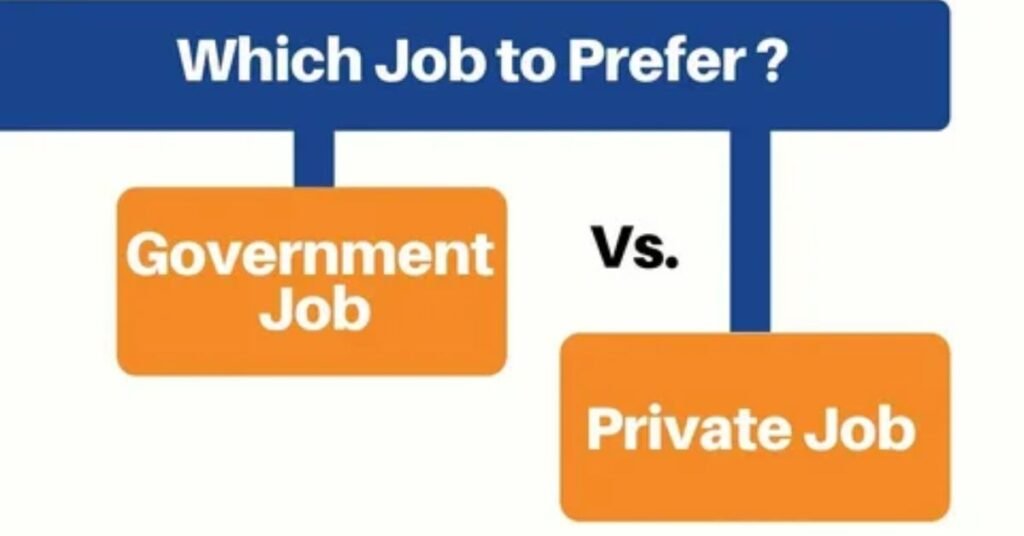
One of the most exciting parts of private sector employment is the speed of career progression.
In a typical private company, your growth depends on:
- Results you deliver, not just time spent on the job
- Skills you develop over time
- Networking within and outside your company
- Taking initiative and solving problems proactively
Many professionals move from entry-level to managerial positions within 3–5 years in fast-growing private companies. In startups, this can happen even faster.
The private sector rewards those who are driven, curious, and willing to keep growing.
Challenges of Working in the Private Sector
It’s not all smooth sailing. Private sector jobs come with their own set of challenges:
- Job security can be lower than in government roles
- Work pressure and deadlines can be intense
- Competition for top positions is fierce
- Company closures or layoffs can happen unexpectedly
However, professionals who continuously upskill and stay adaptable tend to navigate these challenges successfully. Building a strong professional network also acts as a safety net during uncertain times.
Tips to Land the Best Private Sector Jobs in 2026
Ready to take action? Here’s how to position yourself for success:
- Update your resume with measurable achievements, not just job descriptions
- Optimize your LinkedIn profile — recruiters are actively searching there
- Apply on multiple platforms — LinkedIn, Indeed, Glassdoor, and company websites
- Prepare for behavioral interviews using the STAR method
- Network actively — many private sector jobs are filled before they’re publicly posted
- Keep learning — take online courses on Coursera, Udemy, or LinkedIn Learning
Consistency is key. Keep applying, keep improving, and the right opportunity will come.
Conclusion
The world of work is evolving — and private sector jobs are at the center of that evolution. Whether you’re after higher pay, faster growth, or the thrill of working in a dynamic environment, the private sector has something powerful to offer in 2026.
The opportunities are real. The salaries are competitive. And the growth potential is massive — if you’re willing to put in the effort.
Start where you are. Upskill consistently. And go after the career you actually want.
The private sector is hiring. Are you ready?
Frequently Asked Questions (FAQs)
What are private sector jobs, and how are they different from government jobs?
Private sector jobs are roles offered by privately owned companies and businesses, not the government. They typically offer higher salaries and faster career growth, but may have less job security compared to government positions.
Which private sector industry pays the most in 2026?
Technology and finance are the highest-paying private sector industries in 2026. Roles like data scientists, software engineers, and investment bankers consistently earn six-figure salaries.
Are private sector jobs suitable for fresh graduates?
Absolutely. Many private companies run graduate trainee programs, internships, and entry-level hiring drives. Industries like digital marketing, e-commerce, and IT are especially open to fresh talent.
Can I work in the private sector remotely?
Yes. Remote and hybrid work is now mainstream in the private sector, especially in tech, finance, content, and marketing roles. Many global companies hire remotely regardless of your location.
How can I grow faster in my private sector career?
Focus on delivering measurable results, building in-demand skills, seeking mentorship, and networking consistently. In the private sector, performance is the fastest route to promotion.