
Are you about to start your career and wondering what to expect in your first job? You’re not alone. Thousands of fresh graduates and career switchers search for entry level salary details every day. They want to know: Am I being paid fairly? What should I ask for? What’s the average for my field?
This guide answers all of that — and more. Whether you’re stepping into tech, healthcare, finance, or any other industry, understanding entry level salary details can help you negotiate better, plan smarter, and start your career with confidence.
Let’s break it all down.
What Is an Entry-Level Salary?
An entry-level salary is the pay offered to someone who is new to a job or industry. This usually applies to recent graduates, people changing careers, or those with less than two years of experience.
Entry-level does not mean low value. It simply means you are at the beginning of your professional journey.
Most employers set entry-level salaries based on:
- Industry standards
- Location and cost of living
- Company size and budget
- Your education and skills
- Local job market competition
Understanding these factors helps you make sense of the entry level salary details you will encounter during your job search.
Why Entry Level Salary Details Matter

Many beginners make the mistake of accepting the first offer they receive. They don’t research. They don’t compare. They don’t negotiate.
This can cost you thousands of dollars over time.
Knowing accurate entry level salary details gives you power. You can walk into an interview knowing your worth. You can compare offers intelligently. You can set realistic expectations without underselling yourself.
Salary knowledge is career knowledge.
Average Entry Level Salaries by Industry in 2026
Here is a look at what beginners can expect across popular fields. Keep in mind these are approximate figures based on U.S. national averages. Your location and employer will affect the final number.
These figures are approximate and may vary by company and location. For more detailed insights, you can check Glassdoor entry level salary data:
| Industry | Average Entry Level Salary (Annual) | Common Job Titles |
| Technology | $65,000 – $85,000 | Junior Developer, IT Support, Data Analyst |
| Healthcare | $40,000 – $60,000 | Medical Assistant, Nursing Assistant, Health Admin |
| Finance | $50,000 – $70,000 | Junior Accountant, Financial Analyst, Bank Teller |
| Marketing | $38,000 – $55,000 | Marketing Coordinator, Content Writer, SEO Analyst |
| Education | $35,000 – $50,000 | Teacher’s Aide, Tutor, Education Coordinator |
| Engineering | $60,000 – $80,000 | Junior Engineer, CAD Technician, QA Analyst |
| Retail & Sales | $30,000 – $45,000 | Sales Associate, Store Manager Trainee |
| Legal | $45,000 – $65,000 | Paralegal, Legal Assistant, Court Clerk |
These figures represent starting points. With experience, skills, and the right employer, your pay can grow rapidly.
Entry Level Salary Details by Location
Location is one of the biggest factors that shape entry-level salary details. The same job can pay very differently depending on where you live.
High-Paying Cities for Entry-Level Jobs
Cities with a higher cost of living tend to offer higher salaries. Some of the top-paying cities for beginners include:
- San Francisco, CA — Tech roles often start at $80,000+
- New York, NY — Finance and media roles pay well above national averages
- Seattle, WA — Home to major tech companies with competitive starting pay
- Boston, MA — Strong market for healthcare, education, and biotech
- Austin, TX — Growing tech hub with a lower cost of living than coastal cities
Lower-Cost Cities With Strong Opportunities
You don’t have to live in an expensive city to earn a good salary. Many mid-sized cities offer solid entry level salary details with a much lower cost of living:
- Columbus, Ohio
- Raleigh, North Carolina
- Nashville, Tennessee
- Phoenix, Arizona
- Denver, Colorado
In these cities, a $45,000 salary can go much further than $65,000 in San Francisco.
What Factors Affect Your Entry-Level Salary?
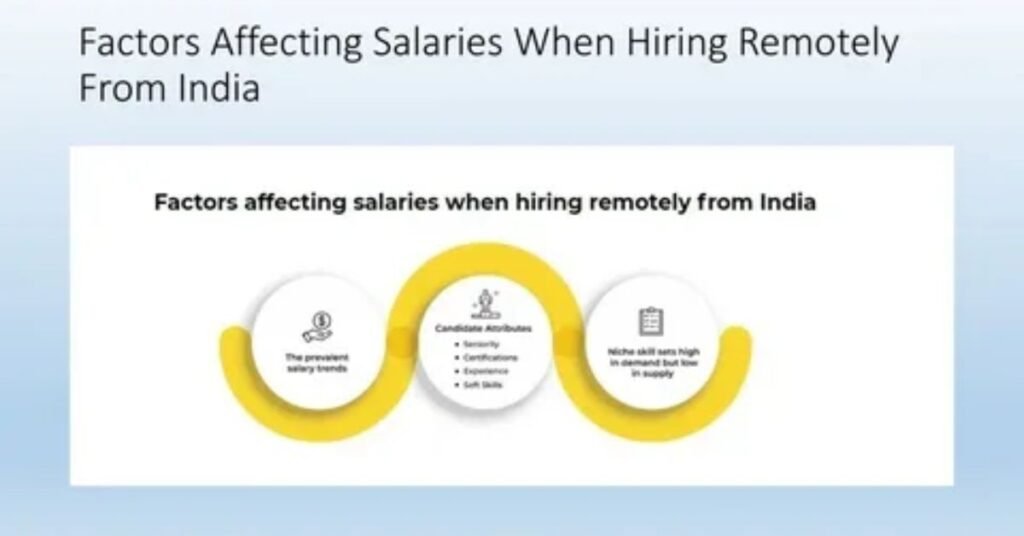
Not all beginners start at the same pay. Several things influence where you land on the salary scale.
1. Your Degree and Field of Study
STEM degrees (Science, Technology, Engineering, Math) tend to command higher starting salaries. Business, finance, and healthcare also perform well.
Liberal arts and humanities graduates can still earn well — especially in marketing, communications, and education — but salaries tend to start lower.
2. Internship and Work Experience
Even at the entry level, prior experience matters. If you completed internships or freelance work, employers see you as lower risk. This often translates to better starting pay.
3. Technical Skills and Certifications
Certifications can boost your entry level salary details significantly. For example:
- AWS Certified Cloud Practitioner — Adds value to IT roles
- Google Analytics Certification — Useful for marketing positions
- CPA or CFA credentials — Strong pull in finance
- PMP or Agile certification — Valued in project management
A single certification can sometimes mean a $5,000–$10,000 difference at the starting line.
4. Soft Skills
Communication, problem-solving, teamwork, and time management are not just buzzwords. Employers actively look for these traits and may offer better pay to candidates who demonstrate them clearly.
5. Company Size
Large corporations often have structured pay grades with set salary bands. Startups may offer lower base pay but compensate with equity, flexible hours, or faster growth opportunities.
How to Research Entry Level Salary Details Before an Interview
Walking into an interview without salary knowledge is like going shopping without knowing your budget. Here’s how to do your homework:
Use Trusted Salary Tools
Several websites give you real, crowd-sourced entry-level salary data:
- Glassdoor — Company-specific salary reviews from real employees
- LinkedIn Salary — Filters by job title, location, and experience
- Payscale — Detailed salary reports by industry and skill
- Indeed Salary — Simple and easy to use for quick research
- Bureau of Labor Statistics (BLS) — Official U.S. government wage data
Talk to People in Your Field
Informational interviews and networking conversations can give you insider information that salary tools can’t always capture. Ask seniors in your target field what they earned when they started.
Check Job Postings With Listed Salaries
More employers are now required by law in several U.S. states to list salary ranges in job postings. Use this to your advantage when comparing offers.
How to Negotiate Your Entry-Level Salary
Many beginners feel nervous about negotiating. They fear rejection or coming across as greedy.
Here’s the truth: most hiring managers expect you to negotiate.
Step 1: Know Your Number
Before the conversation, decide on your ideal salary and your minimum acceptable salary. Use your research to back up your number.
Step 2: Wait for the Right Moment
Don’t bring up salary in the first interview. Wait until you have an offer. Then negotiate from a position of strength.
Step 3: Make a Confident, Polite Ask
You don’t need to be aggressive. A simple line like: “I’m very excited about this role. Based on my research and the skills I bring, I was hoping we could discuss a salary closer to $X” — is enough.
Step 4: Consider the Full Package
Entry level salary details go beyond base pay. Always evaluate:
- Health insurance and benefits
- Paid time off (PTO)
- Remote work options
- Retirement contributions (401k match)
- Signing bonus
- Learning and development budget
- Performance review timeline
Sometimes a lower salary with excellent benefits is worth more than a higher salary with nothing extra.
Entry Level Salary Details for Remote Jobs
Remote work has transformed starting salaries. In 2026, many companies hire globally, which creates both opportunities and challenges for beginners.
Pros of Remote Entry-Level Jobs
- Access to higher-paying companies regardless of where you live
- No commuting costs
- Flexibility in schedule and environment
Cons to Watch Out For
- Some remote employers pay based on your location, not the company’s location
- Entry-level remote roles can be harder to get — competition is global
- Lack of mentorship and in-person networking can slow career growth
If you’re targeting remote entry level salary details, research whether the company uses location-based pay or a flat national/global rate. This can make a big difference.
Common Mistakes Beginners Make About Salary
Avoiding these mistakes can save you stress and money early in your career.
Accepting the first offer without research — Always compare before you commit.
Focusing only on base salary — Benefits, bonuses, and flexibility are part of total compensation.
Sharing your previous salary too early — In many states, employers cannot legally ask for this. Know your rights.
Underestimating your skills — Even as a beginner, your education, certifications, and projects have value.
Not revisiting salary after 6–12 months — Entry level does not mean entry level forever. Ask for a review after you’ve proven yourself.
How Entry-Level Salaries Have Changed in 2026
The job market in 2026 looks different from five years ago. Here’s what’s shifted:
- AI and automation have increased demand for tech-adjacent roles
- Salary transparency laws in many U.S. states have given job seekers more power
- Remote work normalization has expanded the talent pool — and salary ranges
- Inflation has pushed many employers to revise starting salaries upward
- Skills-based hiring is replacing degree-based hiring in some industries
Being aware of these trends helps you frame your entry level salary details search in the right context.
Conclusion
Understanding entry level salary details is one of the smartest moves you can make at the start of your career. It puts you in control. It helps you avoid underpayment. It gives you a roadmap for growth.
Do your research. Know your industry. Negotiate with confidence. And remember — your entry-level salary is just the beginning, not the ceiling.
Your career is an investment. Start it on solid ground.
FAQs
What is a good entry-level salary in 2026?
A good entry-level salary depends on your industry and location. Nationally in the U.S., anything above $40,000–$45,000 is considered a solid starting point. In tech and engineering, a good entry-level salary can easily exceed $65,000. Always compare entry-level salary details specific to your field and city.
Can I negotiate an entry-level salary even with no experience?
Yes, absolutely. Even without work experience, your education, certifications, internships, and personal projects give you negotiating leverage. Research the going rate, make a respectful ask, and back it up with value.
How do I find accurate entry level salary details for my industry?
Use tools like Glassdoor, LinkedIn Salary, Payscale, and the Bureau of Labor Statistics. Filter by job title, location, and experience level. Also, speak with professionals already working in your target field.
Do entry-level salaries differ between small companies and large ones?
Yes. Large corporations often pay higher base salaries with structured benefits. Smaller companies and startups may offer lower starting pay but can provide equity, faster advancement, and more varied responsibilities.
How quickly can I move beyond an entry-level salary?
Most professionals move past entry-level pay within 1–3 years, especially with strong performance reviews, new skills, and clear communication about career goals. Some fields see faster growth — tech roles in particular often see 20–30% salary increases within the first few years.